• Request Info
  • Visit
  • Apply
  • Give
  • Request Info
  • Visit
  • Apply
  • Give

Search

A-Z Index Map

Africana Studies

  • About
    • Virtual Office
    • Alumni
    • Ways to Give
    • Request Information
  • Undergraduate
    • Apply
    • Advising
    • Major
    • Minor
    • Opportunities
    • Declare Major or Minor
  • Graduate
    • About the Graduate Certificate
    • Apply
    • Graduate Course Descriptions
    • Forms
  • People
    • Department Administrators
    • Faculty
    • Staff
  • News & Events
    • News
    • Events
    • Newsletters
    • Share Your News
kente cloth background

News

News

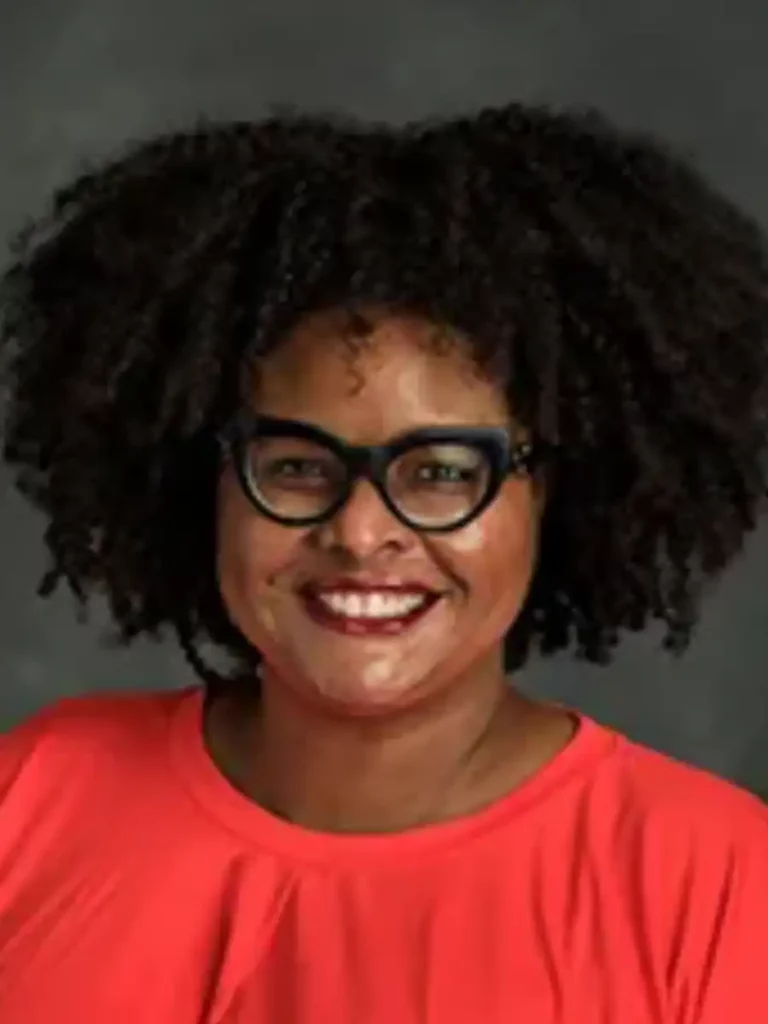
DeLisa Hawkes

Researching Memory and National Identity Formation

January 10, 2022

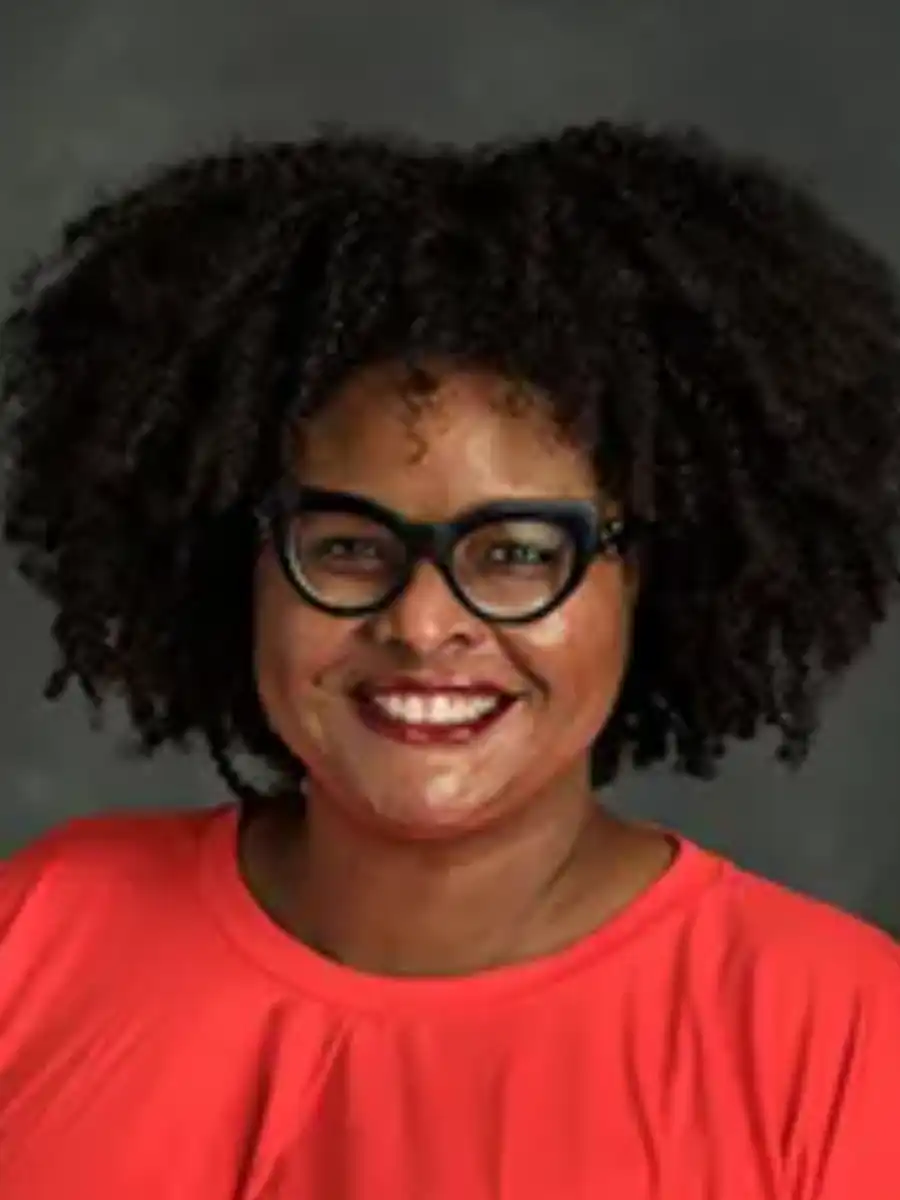
DeLisa D. Hawkes joined the UT faculty in 2021 as an assistant professor of English and Africana Studies. Hawkes received her PhD from the University of Maryland-College Park. Her research and teaching focus are in 19th to 21st-century African American and Black diaspora literature, Southern Black feminism, Afro-Indigenous Studies, and historical and speculative fiction. Theories concerning memory and national identity formation, particularly regarding archives and family histories, inform her research. 

In her current book project, tentatively titled Separate Yet Intertwined: African-Native American Lives in African American Literature, Hawkes examines representations of African American and Native American relationships in nineteenth- to early-twentieth-century African American literature. More specifically, she analyzes how these literary depictions impact narratives of racial identity, kinship, and cross-racial coalitions against white supremacy in the United States. 

A woman holding on awards plaque with two other women standing with her

Hawkes participated in the Community Engagement Academy (CEA) facilitated by the UT Office of Community Engagement and Outreach, which is an interdisciplinary professional development program that trains participants in the foundations of community engagement and engaged scholarship. To mark her completion of the program, Hawkes presented her community-engaged project-in-progress titled, “Bridging Generations: The Black Knoxville Oral History Project.” In November 2021, she presented “Intersectionality: A Framework to See and Address Inequity” as a part of the Office of Multicultural Student Life’s Diversity Dialogues Symposium, which brings together members of the UT community to participate in interactive discussions focused on fostering diversity and inclusivity. 

In January 2022, Hawkes began her tenure as a co-producer for the “C19: The Society of Nineteenth Century Americanists” podcast. Hawkes will assist leading and emerging scholars of the 19th century in developing episodes to discuss their recent literary and historical discoveries, nuanced approaches to understanding key texts and historical moments, and innovative pedagogy. Additionally, she is teaching two new courses in Africana Studies – AFST 435: North America and the Diaspora and AFST 450: Issues and Topics in African American Studies, which will focus on race in horror, sci-fi, and horror across a variety of mediums.

Filed Under: News

Danielle Procope Bell

Bell Brings Black Feminist Theory to African Studies Courses

January 10, 2022

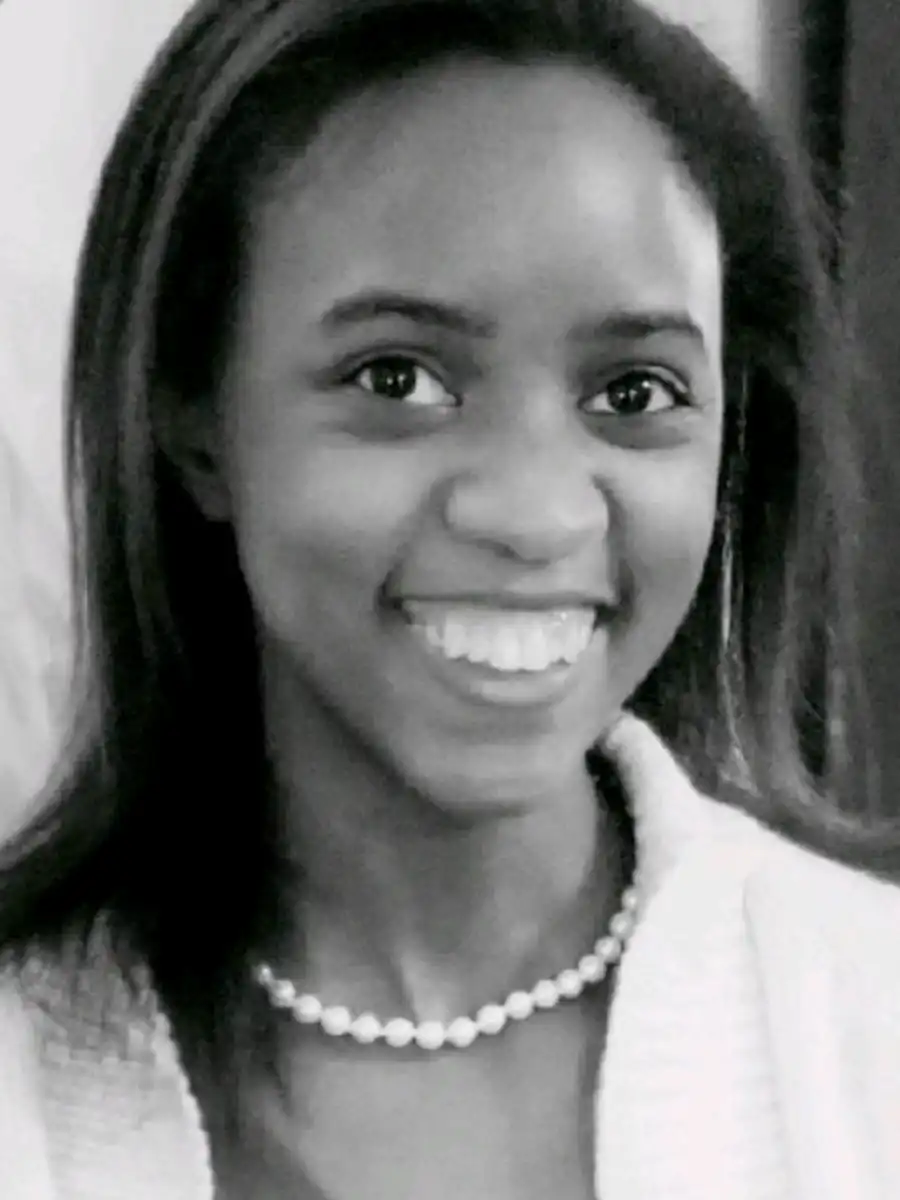
Danielle Procope Bell

Danielle Procope Bell joined UT in 2021 as an assistant professor of English and Africana Studies. Bell, who received her PhD from Vanderbilt University, teaches undergraduate and graduate courses on African American literature and Black feminist theory, with a focus on literary criticism and effective writing. Her research areas are mid-to-late 19th and early 20th-century African American literature and contemporary Black feminist criticism. 

Her book project, tentatively titled Respectable Radicalism: The Rhetoric of Black Women’s Intellectualism, examines how so-called “respectable” rhetoric coheres with radical thought in Black women’s writing in the 19th century. Respectable Radicalism focuses on Black women’s strategies to be heard, traces Black women’s intellectual thought, and considers the multivalent ways that Black women make plain their inherent humanity through a strategic use of respectable rhetoric. At the core, her work examines strategies of Black resistance and the makings of Black subjectivity in a world bent on refusing citizenship, and even personhood, to Black people.   

In addition to her scholarship, Bell is helping us develop innovative, student-centered courses and programming through a collaboration with the Frieson Black Cultural Center. The goal is to reach more UT students and welcome new majors and minors to Africana Studies. In spring 2022, Bell is teaching AFST 450: Black Feminist Theory and AFST 233: Major Black Writers.

Filed Under: News

Shaneda Destine

Faculty Research Spotlight: Shaneda Destine

January 10, 2022

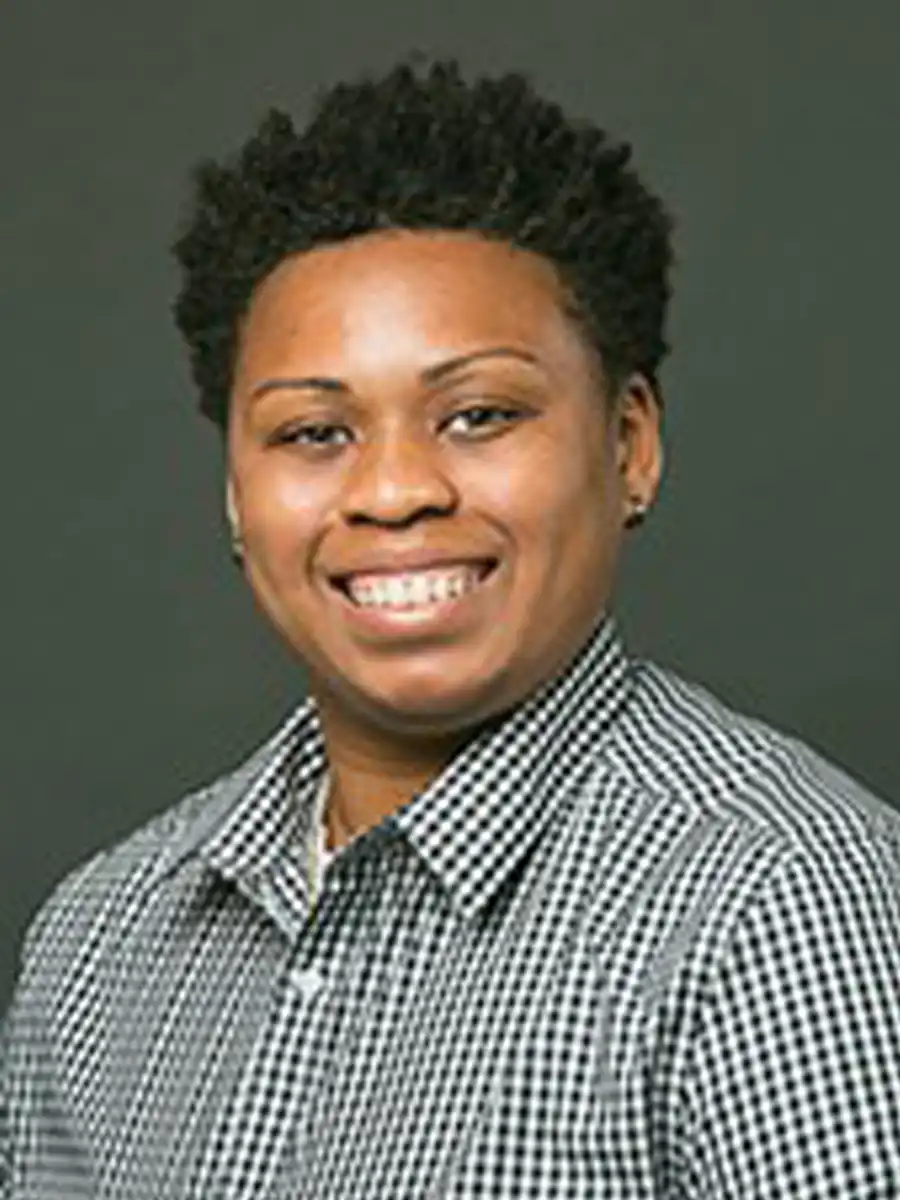
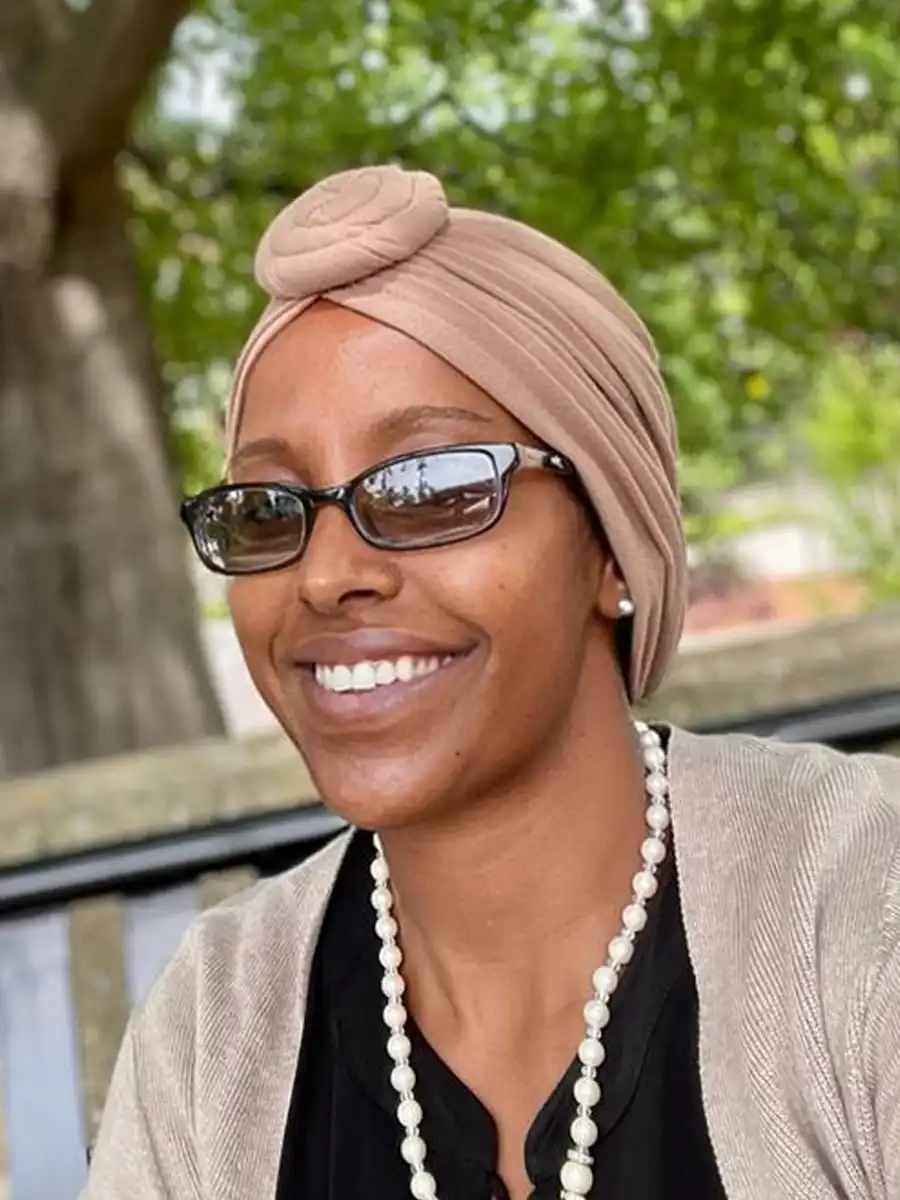
Shaneda Destine is an assistant professor of sociology and Africana Studies. Her research focus is race, gender, sexuality, and contemporary social movements. She investigates forms of resistance of Black women and Black queer people as they create spaces of Black joy and respite, while struggling for liberation.

In 2020, Destine published “From a Hashtag to a Movement:  Black Women Movement Actors’ Challenges to Leading a Radical Movement” in Postracial America. In the article, she addresses a gap in the literature on the connections of local political organizations affiliated with the movement for Black Lives Matter that are led and facilitated by Black women movement actors. Destine conducted five focus groups in Maryland and the District of Columbia in 2016 to identify the challenges facing Black women leaders, organizers, and protestors in local organizations connected to the Black Lives Matter movement. Drawing from intersectionality and Black radical social movement theories, Destine found emerging themes that helped identify a deep racial capital in the focus groups and provided a nuanced discussion of the struggle to build a global working-class movement in local anti-racist organizations and future research opportunities.

Destine and colleagues Jazzmine Brooks and Christopher Rogers published “Black Maternal Health Crisis, COVID-19, and the Crisis of Care” in a special COVID-19 edition of Feminist Studies, published in late 2020. In the essay, they outline the crisis of care for Black mothers and Black birthing parents during the pandemic – an issue the United Nations Populations Fund identified as part of the women’s health crisis related to COVID-19. Using a critical intersectional feminist lens, Destine and her co-authors identify the crisis as embedded in an ongoing capitalist dynamic in which the medical industry harms countless Black birthing parents and offer an activist-centered approach for improving their conditions, such as disproportionate infection and death rates. Read the entire study in Feminist Studies, volume 46, number 3, available online at feministstudies.org.

Filed Under: News

Monica Brashears

Writing Her Future

November 4, 2021

Monica Brashears is a senior graduating with a double major in English and Africana Studies. During her time at UT, she has received the Robert A. Burke Creative Writing Award, the Eleanor Burke Award for Nonfiction, the Michael Dennis Poetry Award, and the Margaret Artley Woodruff Award. She also received the Benjamin A. Gilman International Scholarship were she participated in study abroad traveling to Senegal.

Monica was also listed as summa cum laude, on the Dean’s List in the College of Arts and Sciences. Upon graduation, she will attend Syracuse University in fall 2019 to pursue a Master of Fine Arts in Creative Writing (fiction).

Filed Under: News

Elise "Josie" Campbell

Campbell Named 2021 Marshall Scholar

January 15, 2021

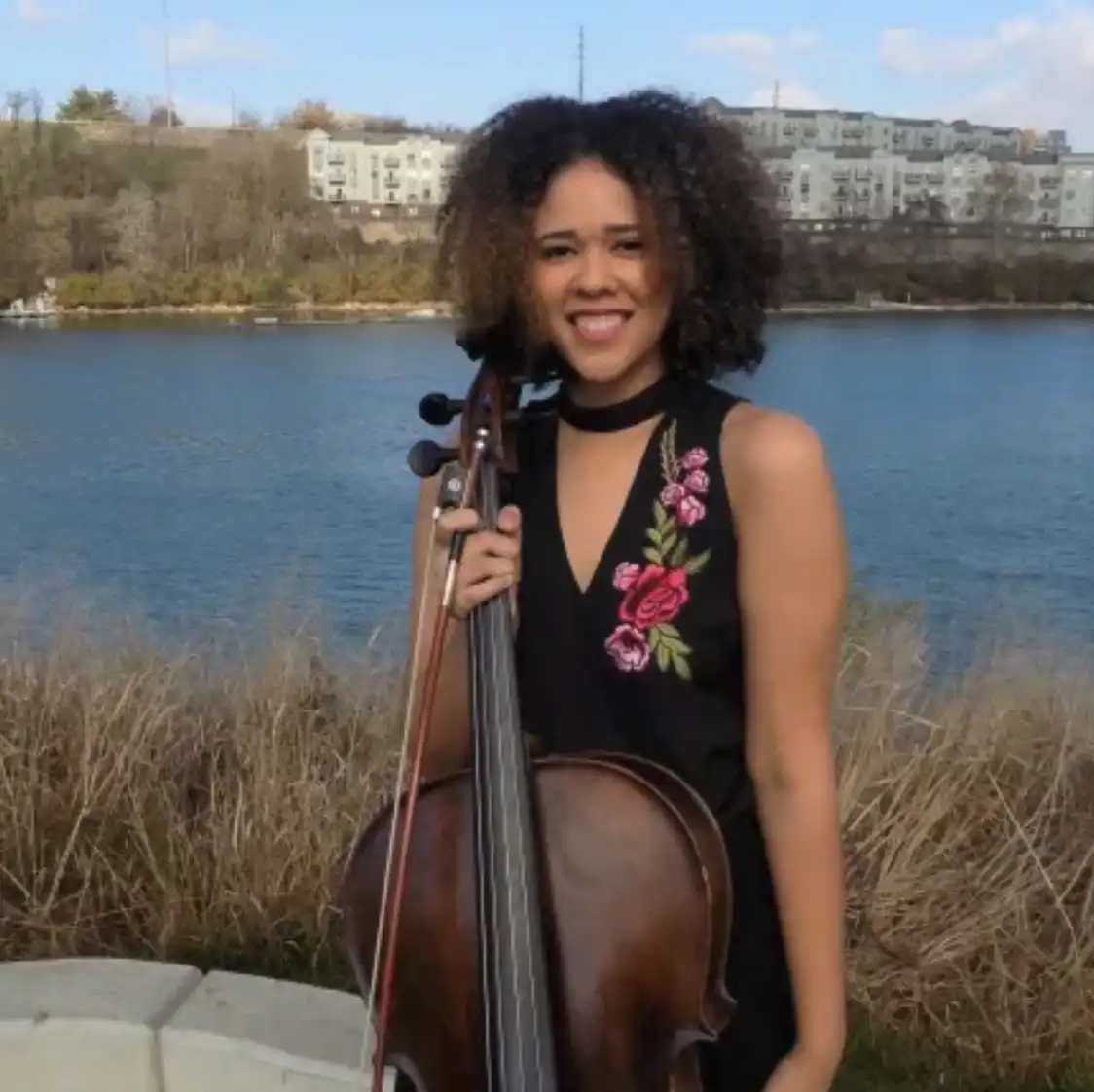
Elise “Josie” Campbell is a senior in music with a minor in Africana studies and the first UT student to receive the award since 1983.

Filed Under: News

Madelynn Weas

African Roots in the South

January 15, 2021

Madelynn Weas is a senior majoring in biological sciences with a concentration in biochemical and biomolecular biology and minoring in Africana studies. She is working with Professor Melissa Hargrove on an honors thesis project, Unearthing African Roots in the US South: Surveying Gullah/Geechee culture and history, which is focused on a historical overview of Gullah/Geechee archaeology. She first became interested in Gullah/ Geechee culture as a student in Professor Hargrove’s course in African history.

‘These coastal communities of the Lowcountry South represent the root of Africa in the United States,” Weas said. “It has been an eye-opening experience examining a portion of American history that is not often seen in textbooks. It is a privilege to work with Dr. Hargrove, and I am blessed for her to have taken me on as a thesis student. My senior year has been enriched by this experience, and I will be forever grateful. It has also encouraged me to pursue my dreams.”

After graduation, Weas plans to attend graduate school in biocultural archaeology before potentially going to medical school. Her broader goal is the application of knowledge toward a greater understanding of the complex relationship between human health and culture, aimed at more equitable health outcomes for communities of color.

Filed Under: News

Maria Takele

Shedding Light on the Forgotten

January 15, 2021

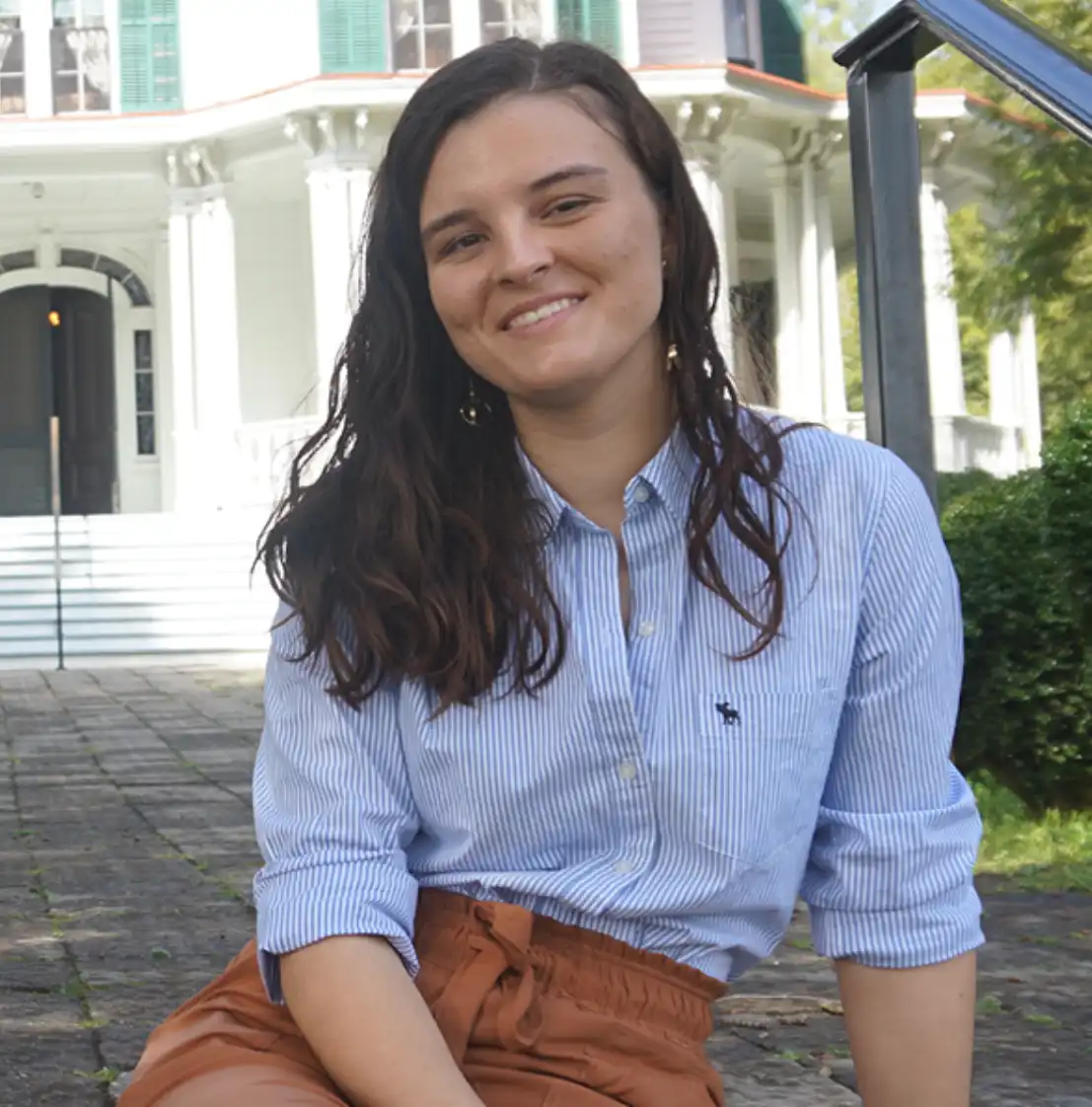
Maria Takele, a graduating senior from Nashville, is majoring in political science with a minor in Africana studies and entrepreneurship. After graduation, she plans to work on a master’s degree in management and marketing.

During her time on campus, Takele has been involved with several programs and organizations. She served as vice president of the African Student Association and graphic designer for Women of Knowledge and Excellence. She is the vice president for both the Diversity Student Leaders Society and Africana Studies Student Association. Additionally, she works closely with Professor Shayla Nunnally as an undergraduate research assistant.

“Through my time working on this research project, I have been able to gain a tremendous amount of appreciation, knowledge, and experience,” Takele said. “I have thoroughly enjoyed my time being able to help uncover buried parts of our history and shed light on the forgotten.”

One of her favorite quotes is from Audre Lorde: “When I dare to be powerful, to use my strength in the service of my vision, then it becomes less and less important whether I am afraid.”

Filed Under: News

Savannah Brown

Giving Them a Voice

January 15, 2021

Savannah Brown is a sophomore double majoring in English and sociology with a minor in Africana studies. After college, she plans to go to law school and specialize in civil rights law. Her dream is to become a legal advocate for individuals from impoverished communities, who may not otherwise be able to afford proper representation.

“I want to be a voice for those who don’t feel like they have one or are unfortunately no longer here to use theirs,” she said.

During the fall 2020 semester, Brown worked with Professors Shayla Nunnally and Frank Manheim on a research project. Digging through articles and archives was a phenomenal experience for her and that encouraged her to research topics and form connections she never thought of before.

“I have learned an abundance of new and intriguing information that I will be able to utilize in life and my budding career,” Brown said. “The amount of black history that is buried, hidden, and neglected is shocking – to say the least. Having the privilege to sit down and rummage through articles on top of archives on top of collections and find a wealth of untouched stories has been such a formative and eye-opening experience for me. One I will be continually grateful for as I move forward in my career.”

Filed Under: News

Melissa Hargrove

Studying the Gullah/Geechee Culture

January 15, 2021

Melissa Hargrove, lecturer in the Africana Studies program, is recognized as a broadly-trained public anthropologist with ethnographic expertise in Gullah/Geechee culture and underground hip-hop studies. Students in her courses engage in dialogue about coastal environmental sustainability and cultural continuation within and across the broader Gullah/Geechee nation.

Hargrove’s research, teaching, and service interests are framed within the political economy of race and racism across the African diaspora; Gullah/Geechee cultural conservation; gated community development as spatial segregation; space, race, and place in urban contexts/urban renewal and gentrification; contemporary white supremacy; heritage and identity politics in the 21st century; and public, applied, and engaged anthropology. She received her BA, MA, and PhD in anthropology at the University of Tennessee, Knoxville.

Filed Under: News

Amadou Sall

Leader in Service Learning

January 15, 2021

For many years, Amadou Sall has led study abroad trips to various countries in Africa—Accra, Ghana (2005-2012), Cape Town, South Africa (2013-2016), and Dakar, Senegal (2017 and 2019). He is planning a mini-term program 2021 to Ghana. The trips toGhana included undergraduate students, graduate students, and faculty from UT, Tennessee StateUniversity, and UT Chattanooga. Before going on several of the trips, he also voluntarily offered and taught a Fulani language to prepare the students to communicate in the new cultural setting and betterappreciate the cultural differences they were about to experience.

What is especially remarkable is that he included highly relevant service-learning components as part of the study abroad course requirement. In Ghana, for instance, in addition to visiting several historical and cultural sites, the group helped make improvements in selected elementary and high schools by paintingfloors, making simple repairs, donating school supplies, and working with an NGO to assist with building a library and computer lab. Read more about the studyabroad program at capetown.utk.edu.

Filed Under: News

Robert Bland

Researching the Postbellum South

January 15, 2021

Robert Bland, assistant professor in the Department of History, is a historian of the late nineteenth- and early twentieth-century United States with an emphasis on the African American experience and the postbellum South. His research and teaching engage questions of racial formation, electoral and cultural politics, and battles over historical memory. At UT, Bland teaches courses on African American history, the US South, and the craft of social and cultural history.

Bland’s upcoming book project examines the legacy of Reconstruction in the African American public sphere. It explores the efforts of Black South Carolinians and their northern allies to preserve the last bastion of radical Republicanism in the South during the half century that followed Compromise of 1877. In doing so, Bland illuminates a series of connections between grassroots struggles in the South Carolina Lowcountry over political patronage, disaster relief, local schools, and representations of Gullah folklore and the simultaneous debate in the national Black press over how to contest the cultural and intellectual dimensions of the emerging Jim Crow order.

His research has been supported by the Social Science Research Council, the Woodrow Wilson National Fellowship Foundation, and the National Endowment for the Humanities. Bland received his BA from Williams College in 2007, MA from the University of Mississippi in 2009, and PhD from the University of Maryland in 2017.

Filed Under: News

Celebrating 50+ Years of Africana Studies Seal

50+ Years of Africana Studies

January 15, 2021

At UT, the Africana Studies program was initially called the Afro-American Studies program when it began in the 1968-1969 academic year. The program offered two courses: one about the Afro-American family and the other about Black history. By the next academic year, the program offered courses in the Departments of English and Religious Studies. Through a $10,000 grant secured by Professor Edwin Redkey, then chair of American Studies, the program launched officially, offering a minor in Afro-American Studies. Professor Marvin Peek was appointed in 1971 as the first official head of the program.

The program’s name changed to African and African American Studies during the 1990s, under the leadership of Professor Cynthia Fleming, who arrived at UT in 1992 as the program’s first tenure-track faculty member and a joint hire in the Department of History. The program’s current name, Africana Studies, changed under the leadership of Professor Wornie Reed, who sought to keep the program current by following trends in the larger discipline, which were leading to a more diasporic focus, by providing global offerings that complemented the initial focus on African American Studies in the context of the United States. 

As a larger discipline comprised of interdisciplinary studies and research, the program known today as the Africana Studies program, comprises faculty members who represent expertise in teaching and research in diverse peoples of the African diaspora (American, Afro-Caribbean, Afro-Latinx, European, and African), with specializations in far-ranging disciplines, that include, but are not limited to, anthropology, history, language, literature, political science, religion, and sociology. The program is an independent academic unit in the College of Arts and Sciences, serving as one of several interdisciplinary programs (IDPs). Offering courses to more than 650 undergraduate students, they also may choose to major or minor in Africana studies. Graduate students also may choose to earn a graduate certificate in Africana studies. Students who would like to supplement their on-campus learning experience also have the opportunity to participate in the study abroad program, which emphasizes service learning and coursework in African languages and culture, to enhance their fuller understanding of the African presence around the world.

The program also has historically featured national and international researchers and speakers, who enrich our students’ and community’s learning experiences. As the flagship campus for the University of Tennessee, we have a rich history of collaborations with the Knoxville community, and we believe that learning opportunities can be extended through our outreach and engagement with Knoxville’s local community, especially as we continue to learn more about and engage with the rich history and contemporary presence of Knoxville’s Black community.

“It is my esteemed honor to be appointed our new chair of the UT Africana Studies program,” said Shayla Nunnally, professor of political science. “I aim to continue this strong legacy of leadership through working diligently with our faculty, students, and broader Vols and Tennessean communities.”

Our Year(s) Moving Forward

As of February 2021, our Africana Studies program launched the official start of our commemoration of the 50+ years of Africana Studies as a discipline and as a program at UT. The celebration will span over the next two years, and due to the pandemic, our programming will be virtual for 2021 and in-person for 2022. Working with various members of our communities at UT and beyond, we also aim to be engaged academically, culturally, and socially to disseminate knowledge about our program and Africana Studies, in general. As we celebrate our 50+ years of Africana Studies for 2021 and 2022, we will inform you about our programming (guest lecturers, artists, movies, commemorations, and research presentations) and special highlights of our program’s faculty and students.

Filed Under: News

Shayla Nunnally

State of World Concerns

January 15, 2021

Greetings Vols Community and Friends,

I am Shayla C. Nunnally, a professor of political science and our new chair of Africana Studies at the University of Tennessee, Knoxville. I am excited to become a member of the Vols Nation. It is my honor to be joining you for my first year at the university, as I join the rich legacy of leadership with our Africana Studies program, which proudly touts a more than 50-year history at our university. Born of the 1960s student protest movement to enhance educational curricula at various levels of education, with courses that focused on the history, culture, politics, and circumstances of people of African descent, our program represents all these aspects of learning about people of African descent. We promote knowledge-building about African-descendent people around the world, or what is also known as the African diaspora.

A Year in Review

As we celebrate the New Year, we are reminded of the dark, challenging, and resilient times of 2020, when, during unprecedented times with the COVID-19 pandemic, we have come to understand more clearly the various racial disparities that bear disproportionate effects on access to health care among communities of people of color. We have grappled also with the legacies of racial construction and discrimination that have contributed to our discourses about injustice and inequality. Our students have continued learning timely information, at one of the best universities in the nation, as people around the world continue to process the true meaning of Black Lives Matter, in the several months since our witnessing the global effects of the senseless death of George Floyd and the ignition of a movement worldwide to pursue equality and justice for people of African descent. Even in those delicate times, we see continuing cries for further considerations of justice for the police-related shooting of Jacob Blake and the policerelated killing of Breonna Taylor.

We also continue to reckon with the effects of slavery and Jim Crow on the development of American society, while centering Black lives and the contributions of African-descendent people, as communities across the country acknowledged the historic discrimination against Black Americans and shored up the historic documentation of what happened to these often segregated and disparaged communities. For example, even in the City of Knoxville, Tennessee, via the use of purported urban renewal programs, our city’s Black community neighborhoods and institutions were ravaged to build the highway system, and the local city apologized for this grievance. In two, historic US elections in November 2020 and a run-off Senate election in January 2021, we also have witnessed the elections of the nation’s first woman (of African and Asian descent) elected to the vice presidency, former Senator Kamala Harris, and the fourth Black American (man) elected to the US Senate from the American South (the first to represent Georgia), Reverend Raphael Warnock.

Last summer, under the leadership of our former Interim Chair Dawn Duke and Vice Chairs Katy Chiles and Amadou Sall, our program took a united stand against injustice and asserted the value of Black life, pointing out that Black Lives Matter does not denigrate the lives of others. Rather, it empowers the meaning that Black lives should be treated equally to all people’s lives. This is where Africana Studies, as a discipline comprised of interdisciplinary perspectives, enhances our understanding of people’s experiences in the African diaspora (around the world), while also emphasizing the significance of thought, politics, culture, expression, and activism.

In a historic moment during the height of Black Lives Matter protests and the expressions of (Black) supporting faculty to enhance the learning and discussions about Black people and their professional presence on campus, this past summer, Chancellor Donde Plowman announced her support of our program transitioning into a department. This means that, with official approval in the future, we will be able to offer our major and minor in Africana studies, as distinctive undergraduate degrees. The 50-year origin of our Africana Studies program resembles a society of Americans seeking to become more inclusive by educating more. Herein, I provide some of the history of our historic beginnings, as an early-initiated program with coursework in Africana Studies. It is through “Remembering Black Pasts, Building Black Futures,” in homage to the significance of Sankofa, the Akan (Ghanaian) word suggesting that we look back to move forward, that we are inspirited to grow our program into a new department.

As we reflect on our growth, we are excited to see one of our own featured in the KnoxBiz 40 under 40 class of 2019. The honor recognizes leaders with a passion for making Knoxville and its surrounding areas better communities. Cory Hodge graduated from UT with a degree in Africana studies from UT in 2015. He works at Maynard Elementary teaching science and math to fourth graders.

On behalf of our faculty and staff in our Africana Studies program, I wish you a wonderful and courageous start of the new year, and we look forward to working with you in our continuing journey to discuss, research, and build knowledge about Africana Studies. With an eye towards revisiting our past, in order to prepare for our future, we celebrate 50+ years of Africana Studies at the University of Tennessee, Knoxville.

TOGETHER, WE stand, TOGETHER!

In the pursuit of knowledge and excellence,

SHAYLA C. NUNNALLY

Professor, Department of Political Science
Chair, Africana Studies Program

Filed Under: News

Fatuma Guyo

Faculty Highlight: Fatuma Guyo

January 10, 2021

Fatuma Guyo is a historian of twentiethcentury Africa, with a specialization in East-African history. Her teaching and research interests lie at the intersection of precolonial and colonial history, borderland history, policy history, women and gender history, oral history, and democratization and social change. What ticks her passion in teaching is the opportunity to share with students the diversity and richness of African continent and help them learn how to broaden their ideas, beliefs and thoughts about the continent and its diverse cultures. She is currently working on her first monograph tentatively titled The
Forgotten Frontier: Pastoralists, Livestock and Colonial Policies on the Kenya’s Northern Frontier, 1900s 1990.

Filed Under: News

Larry S. Perry

Faculty Highlight: Larry S. Perry, II

January 10, 2021

Larry S. Perry, II joined UT in fall 2020 as an assistant professor in the Department of Religious Studies and Africana Studies program. Professor Perry focuses on the history of the American religious left, its thoughts, thinkers, politics, practice, and its intersection (or lack thereof) with racial justice in the US. Perry’s current book project is titled A Black Spiritual Leftist: Howard Thurman and the Religious Left’s Unfinished Business of Race Relations. In the past, Perry has served as a fellow at the Center for American Progress’ Leadership Institute and as a contributor on CSPAN.

Filed Under: News

El-Ra Adair Radney

Faculty Highlight: El-Ra Adair Radney

January 10, 2021

El-Ra Adair Radney is a lecturer in the Africana Studies program. His training and doctoral degree is in African American and African Studies and his specialized niche includes four main topics of intersection: Black political theory, cultural studies, urban study, and Africana philosophy. Radney’s passion is to teach and use Africana Studies as a way to empower and encourage students and the world alike to foster positive development in the interests of the African diaspora.

Filed Under: News

Taylor Washington

Taylor Washington Named 2020 Torchbearer

March 30, 2020

Taylor Washington, of Memphis, is a Haslam Scholar studying political science with a concentration in public administration and Africana studies and a minor in public policy analytics. She was one of six university seniors named Torchbearer for spring 2020, the university’s highest honor given to seniors who have achieved exemplary academic success and displayed a selfless commitment to helping others.

Washington has held leadership roles with Minority Enhancement for the University of Tennessee (ME4UT), the Office of Diversity and Engagement Student Advisory Board, and the Student Alumni Associates. She is also a dedicated member of Alpha Kappa Alpha sorority, serving a previous term as chapter president.

Working with Bridges USA and Preserver Partners, she has developed mentorship programs and community workshops, educating middle and high school students on important topics such as sexual violence and financial literacy. She plans to attend law school at Penn State University in the fall.

Washington values community and friendship.

“My favorite memory on Rocky Top has been attending all the football games with my friends and the rest of the Volunteer family that comes to campus,” Washington said. “If I had to name one specific game, it would be the 2016 Florida game, when we had that amazing comeback. There is nothing like being in Neyland with thousands of other people cheering for the Vols.”

Filed Under: News

From the Department graphic label

Faculty News & Updates, Fall 2019

November 4, 2019

Heads, directors, and chairpersons of Black Studies programs in the Southeastern Conference held their third annual meeting at the University of South Carolina, Columbia, May 18-19, 2018.

UT Participants in the Black Studies SE Conference

Hosted by Valinda Littlefield, professor of history and director of African American Studies at USC, representatives from the Universities of Florida, Alabama, Tennessee, Mississippi, Georgia, and Auburn attended. Items on the agenda included growth from program to department, faculty hiring, tenure, student recruitment, diversity office, establishing alliances among programs, and study abroad.

Professor Bertin Louis presented at the African American Intellectual History Society (AAIHS), Black Internationalism—Then and Now, March 22-23, 2019. The fourth annual conference took place at the University of Michigan, Ann Arbor. 

Professor Bertin Louis presented at the African American Intellectual History Society (AAIHS), Black Internationalism—Then and Now, March 22-23, 2019. The fourth annual conference took place at the University of Michigan, Ann Arbor.

Africana Studies Executive Committee

  • Dawn Duke dduke1@utk.edu Chair, Africana Studies, Professor of Spanish and Portuguese
  • Katherine Chiles kchiles1@utk.edu, Vice Chair, Africana Studies, Associate Professor, English
  • Amadou Sall asall@utk.edu, Vice Chair, Africana Studies and Lecturer

Africana Studies Core Faculty

  • Robert Bland, rbland4@utk.edu, Africana Studies, History
  • Shaneda Destine, sdestine@utk.edu, Africana Studies, Sociology
  • Melissa Hargrove, mhargrov@utk.edu, Africana Studies
  • Darrell Kefentse, dkefents@utk.edu, Africana Studies
  • Jakia Marie, jmaria@utk.edu, Africana Studies
  • Gichingiri Ndigirigi, jndigiri@utk.edu, Africana Studies, English
  • Amadou Sall asall@utk.edu, Africana Studies

Africana Studies Advisory Board Members

  • Derek Alderman, dalderma@utk.edu, UT Department of Geography
  • Katherine Chiles, kchiles1@utk.edu, UT Department of English
  • Chonika Coleman-King, ccolem21@utk.edu, UT Department of Theory and Practice in Teacher Education
  • Mark Dean, markdean@utk.edu, UT Department of Electrical Engineering and Computer Science
  • Rosalind Hackett, rhackett@utk.edu, UT Department of Religious Studies
  • Barbara Heath, bheath2@utk.edu, UT Department of Anthropology
  • Tricia Hepner, thepher@utk.edu, UT Department of Anthropology
  • Carolyn Hodges, chodges@utk.edu
  • Corey Hodge, chodges8@vols.utk.edu
  • Doug Minter, dminter@knoxvillechamber.com
  • Althea Murphy-Price, amurph21@utk.edu, UT School of Art, Printmaking
  • Marianne Wanamaker, wanamaker@utk.edu, UT Department of Economics
  • Courtney Wright, cwright@utk.edu, UT Department of Communication Studies

Filed Under: News

Admiral Schofield

Awards and Honors, Fall 2019

November 4, 2019

The following faculty and students in the Department of Africana Studies at the University of Tennessee in Knoxville, received awards or special recognition this semester. Here are notes and images.

Amadou Sall

Amadou Sall received the 2019 Ready for the World Award

Kevin Hales and Aleigha Welshan

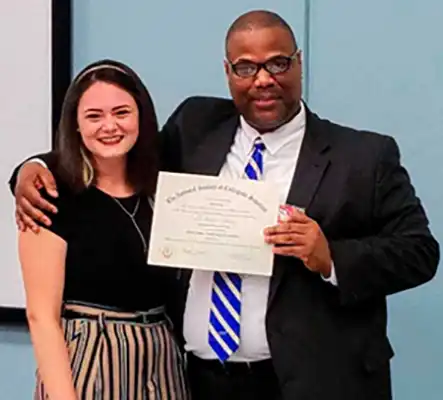
Kevin Hales (pictured with Aleigha Welshan) delivered the keynote address at theNational Society of Collegiate Scholars ceremony and received honorary lifetime membership.

Nanette Rodgers with Dawn Duke and Bertin Louis

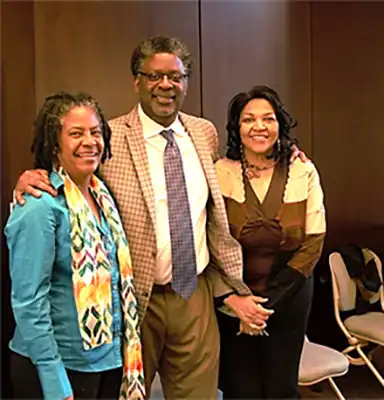
Nanette Rodgers, pictured with Vice Chairs Dawn Duke and Bertin Louis, celebrated 25 years of service with UT May 11, 2019.

a photo of Dawn Duke

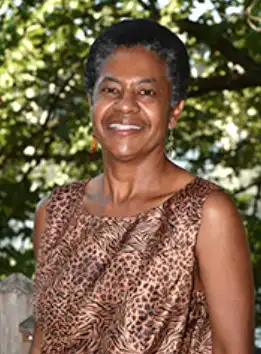
Dawn Duke, chair of the Africana Studies program (center), presented a paper at the Department of History and Philosophy, University of the West Indies, Cave Hill Campus, Barbados and PANAFSTRAG—January 12-15, 2016. The broad theme for the inaugural colloquium was “Heroes and heroines of the back to Africa movements, Pan Africanism, African nationalism and global Africanism: Their philosophies, activities and legacies.”

Admiral Schofield

Africana Studies major, Admiral Schofield joins the NBA on the Washington Wizards.

Filed Under: News

A picture of students in Senegal

Program News & Updates, Fall 2019

November 4, 2019

Service Learning in South Africa

This year’s study abroad took place during the summer mini-term. As usual, it garnered life-changing experiences for those in attendance. Next year will be even better. Contact Amadou Sall at asall@utk.edu for additional information.

A group of students in South Africa
A group of students with camels in Africa

Africana Studies Visiting Lecturer

Photo of Kimberly Eison Simmons

Kimberly Eison Simmons, associate professor in the Department of Anthropology and African American Studies at the University of South Carolina and interim director at the Institute for African American Research, visited UT thanks to the Southeastern Conference (SEC) Visiting Faculty Travel Grant Program.

In her lecture, Professor Simmons explored the natural hair movement taking place in the Dominican Republic where women view natural hair as a sign of beauty, resistance, and personal expression of Afro Dominican-ness. Having straight hair is often the norm and is promoted in print and television media as the standard of beauty and definition of what is socially acceptable in Dominican society. This is changing as the natural hair movement gains momentum in the Dominican Republic and represents a significant and symbolic shift signaling changing views of Afro-Dominican identity where hair straightening has served as a symbolic erasure of African ancestry. Her lecture highlights the ways in which Dominican hair stylists, activists, and others organize around and embrace natural hair as an expression of Blackness and belonging to a larger African diaspora community.

Here in the United States, embracing curls, natural hair, and the Afro, is an ongoing reconstruction of racial identity in relationship to hair. The stereotypical views associated with afros, braids, dreads, and just natural curly hair continue to cause controversy for some. Simmons encourages us to remove the historical negativity concerning natural hair and simply embrace the beauty.

Pictured are Drs. Dawn Duke, Carolyn Hodges, Kimberly Simmons, and Bertin Louis
Pictured above L to R – Drs. Dawn Duke, Carolyn Hodges, Kimberly Simmons, and Bertin Louis
Dr. Simmons spends time with students after talk for a brief interview.

Truth Without Tears

A photo of Carolyn Hodges' book Truth Without Tears

Earlier this year, Professor Carolyn R. Hodges and Professor Olga M. Welch, former dean of the School of Education at Duquesne University, presented a lecture to graduate students about shared experiences based on their new book, Truth Without Tears: African American Women Deans Share Lessons in Leadership.

The book is a timely and insightful portrait of Black women leaders in American colleges and universities. As former deans, Hodges and Welch draw extensively on their experience as African American women to account for both the challenges and opportunities facing women of color in educational leadership positions. A nuanced and complex depiction of successful leadership, Truth Without Tears is a valuable resource for current and aspiring higher education leaders.

Concerning the Diaspora

Kristen Block, associate professor in the UT Department of History, presented “Countering Fears of Corruption: ‘Leprosy’ and Healing in the Afro-Caribbean Diaspora of the 18th Century” as part of the fall 2018 symposium speaker series.

A historian of the interactions between Africa, Europe, and the Americas (ca. 1492-1833), Block writes about the Caribbean, arguably the epicenter of colonial competition in the early modern Americas. Her research dwells on how Caribbean residents defined disease, contagion, and how conflict and hybridity affected their attempts at healing. Professor Block pushes the limits of conventional historical methods to capture the emotions and voices of historical subjects, many of them marginalized because of their sex, class, or enslaved status.

Gustavo de Oliveira Bicalho

Gustavo de Oliveira Bicalho, Fulbright visiting researcher, Federal University of Minas Gerais, Brazil, presented “Freedom Authors of the African Diaspora in the Americas” during the spring 2019 lecture series.

What we understand today by the universalized concept of freedom was widely shaped by the memories of those who lived through the trauma of slavery while fighting for individual and collective emancipation. The African-American tradition of the so-called slave narratives tell only a part of this transnational struggle.In his presentation, Bicalho drew on the theme of freedom through the individual biographies and texts of the Afro-Brazilian writer Luiz Gama and the transatlantic figure of Mahommah G. Baquaqua, both of whom became involved with local abolitionists while developing their own expanded ideals of liberty and racial equality. Bicalho showed how they became authors of their own liberated lives by mobilizing a network of patronages and influences, while advancing their own aspirations, desires, and worldview.

Filed Under: News

  • « Previous Page
  • 1
  • 2
  • 3
  • Next Page »

Recent Posts

  • Supreme Court ruling: The latest in history of diminishing minority voting rights
  • Graham Selected for Summer Poetry Residence
  • Africana Studies Brings Girls Poetry, Music, Food
  • Robert Bland in ‘The Conversation:’ The Supreme Court may soon diminish Black political power, undoing generations of gains
  • Scholar Spotlight: Florence Dery

Recent Comments

No comments to show.

Archives

  • May 2026
  • March 2026
  • February 2026
  • December 2025
  • November 2025
  • February 2025
  • September 2024
  • August 2024
  • March 2024
  • November 2023
  • October 2023
  • September 2022
  • June 2022
  • February 2022
  • January 2022
  • November 2021
  • January 2021
  • March 2020
  • November 2019

Categories

  • News
  • newsletter

Africana Studies

College of Arts and Sciences

Natalie Graham, Interim Department Head
1201 McClung Tower
1115 Volunteer Blvd. | Knoxville TN 37996
Phone: 865-974-5052 | Fax: 865-974-8669
africanastudies@utk.edu

Instagram Icon

The University of Tennessee, Knoxville
Knoxville, Tennessee 37996
865-974-1000

The flagship campus of the University of Tennessee System and partner in the Tennessee Transfer Pathway.

ADA Privacy Safety Title IX